About
A designer, assembled from five disciplines.
I'm Da - currently in Milan, pursuing a master's in UX Psychology after a decade of moving between architecture, art direction and product design. The through-line has always been the same: how do we make experiences that feel considered, human, and worth returning to.

Chapter 01
Architecture
I started with buildings. Interior architecture taught me that space is a system of decisions - light, proximity, threshold. I'm fascinated by the spatial design that shape people's perception intuitively. Five years of studying architecture taught me that a space can be a healer, a poet, a stage for drama, a keeper of memories and so much more.
Chapter 02
Art Direction
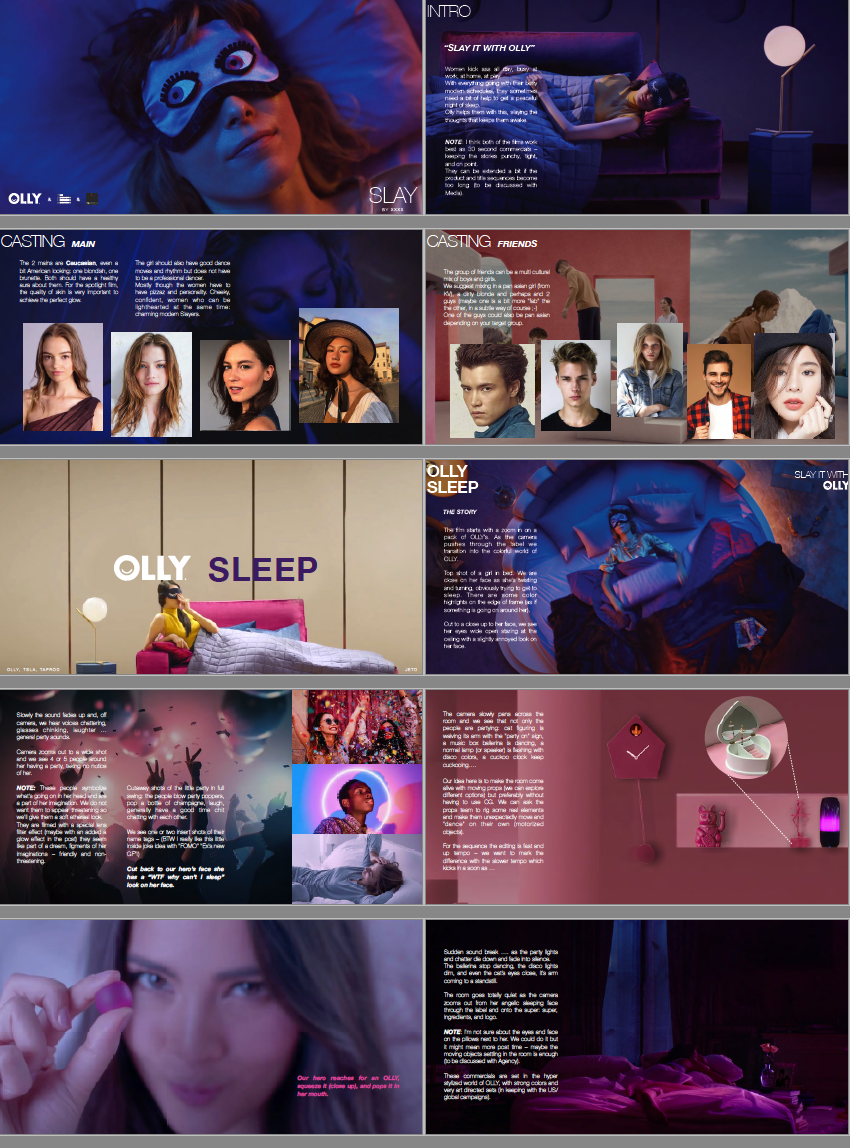
Then film. Five years inside a commercial production house - assisting, then directing art, then leading marketing - at TaProd, known for producing campaigns for Louis Vuitton, Hermès, L'Oréal and other global brands. Luxury taught restraint. Motion taught pacing. Biggest lesson I recieved from filmmaking is how we project (client's) idea into real life production - to ensure it's budget compliant and also telling the story brand wants to acheive.
Chapter 03
Motion & Visual
In 2024, My best friend asked me if I know someone who could do motion graphic, I said "I don't, but I can actually do it for you. :3" After that, it became my favorite side hustle. I have worked as a motion designer for clothing retail. My works were displayed in a mall as brand campaign and advertising. Motion art taught me to plan ahead, not just graphic composition but the order of elements needed to tell a story. Ultimately to grab attention.

Chapter 04
UX Psychology
Milan, now. A master's in User Experience Psychology at Politecnico di Milano and Università Cattolica del Sacro Cuore. The academic frame gives structure to what I'd been doing by instinct. I'm thankful for this master's, which brought me in contact with many incredible colleagues and experts. We practice teamwork, applied UX methodology, and emerging technology.

Chapter 05
Product Design
Everything converges here. Products are the medium where architecture, story, motion and psychology have to co-exist and still ship on Friday. That constraint is the fun of it.
Experience
Where I've spent my time.
- 2026 — 2027
MSc UX Psychology
Politecnico di Milano · Università Cattolica del Sacro Cuore - 2024 — 2025
Motion Designer (freelance)
Central Marketing Group · Retail management - 2021 — 2025
Art Director & Marketing Manager
TaProd · Commercial production - 2019 — 2020
Assistant Art Director
TaProd · Commercial production - 2018
BA Interior Architecture
Chulalongkorn University · Graduated with distinction
Capabilities
What I bring to a team.
Product Design
End-to-end product work — from research and framing to ship-ready interfaces and design systems.
UX Research
Desk research, interviews, usability testing, and behavioural analysis grounded in cognitive psychology.
Design Systems
Component libraries, tokens, and documentation that scale a design language across teams.
Art Direction
Brand and campaign direction across print, film and digital. Five years across luxury and beauty.
Motion Design
Interface motion, motion concepts, and media design that serve the story, not the reel.
Visual Design
Typography, layout, colour and image-making. The craft layer that decides whether a product feels finished.
Prototyping
Figma, LLMs, Adobes. Working prototypes to validate before committing to production.
Strategy
Framing product bets, prioritising, and connecting design decisions to business outcomes.
Creative Direction
Setting the taste and pacing for a project, then holding the line through delivery.
Philosophy
I design for humans, not personas. Personas are a helpful fiction; humans are the actual clients, and they arrive tired, distracted, and holding a phone with a cracked screen.
Curiosity is the compound interest of design work. The best decisions I've made started as a question I couldn't stop asking.
Psychology is the difference between a product that works and a product that gets used. Cognitive load, defaults, feedback loops — these aren't tricks, they're respect.
Storytelling is how I test whether a system is coherent. If I can't narrate why the user is here, the design isn't finished.
Quality over quantity, always. I'd rather ship one thing that means something than five things that don't.